
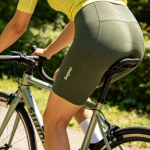
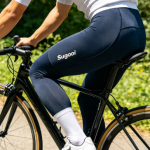
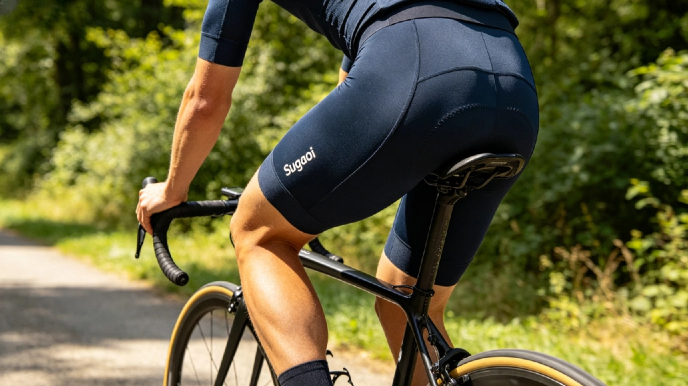
Sugoi has established itself as a respected name in the cycling apparel industry since its founding in 1987. Originally created by a group of passionate cyclists in Canada, the brand has grown to become synonymous with quality, innovation, and performance-driven design. The name “Sugoi,” meaning “amazing” in Japanese, reflects the company’s commitment to delivering exceptional cycling gear that enhances the riding experience.
In the competitive landscape of cycling equipment, Sugoi occupies a unique position as a brand that balances technical performance with accessibility. While premium brands like Rapha and Assos command higher price points, and budget options flood the market, Sugoi has carved out a middle ground that appeals to serious cyclists who demand quality without breaking the bank. The brand’s reputation is built on decades of research and development, close collaboration with professional cyclists, and a deep understanding of what riders need across various disciplines and conditions.
The Sugoi Cycling Shorts product line represents the culmination of this expertise. These shorts are designed not merely as clothing but as essential equipment that can make or break a ride. Whether you’re grinding up mountain passes, racing through criteriums, or commuting through city streets, the right pair of cycling shorts becomes the interface between your body and the bike—a second skin that must perform flawlessly for hours on end.
The target audience for Sugoi Cycling Shorts spans the full spectrum of cycling enthusiasts. Road cycling aficionados appreciate the aerodynamic fit and long-distance comfort features. Mountain bikers value the durability and flexibility that allows for dynamic movement on technical terrain. Commuters and recreational riders benefit from the versatile designs that transition seamlessly from bike to office or café. This broad appeal stems from Sugoi’s philosophy that every cyclist, regardless of their riding style or intensity, deserves professional-grade equipment.
The core selling points of Sugoi Cycling Shorts can be distilled into several key attributes: exceptional comfort through advanced chamois technology, superior moisture management that keeps riders dry, strategic compression that supports muscles without restricting movement, durability that withstands thousands of miles, and versatile designs that perform across multiple riding disciplines. These aren’t just marketing claims—they represent tangible benefits that riders experience from the first pedal stroke.
Sugoi Cycling Performance Collection
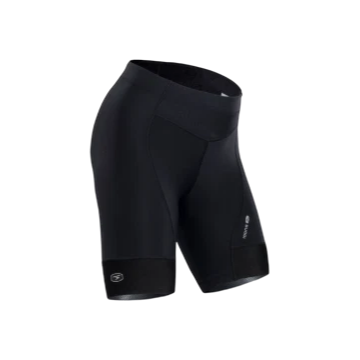
Sugoi Evolution Cycling Short – Women’s
Price: $129.95
Performance Redefined for Women Riders
Elevate your ride with the Sugoi Evolution Cycling Short, designed specifically for female cyclists who demand both performance and comfort. Crafted from premium moisture-wicking fabric, these shorts keep you cool and dry on even the longest rides. The multi-panel ergonomic design ensures perfect body contouring and full freedom of movement.
Optimized Comfort and Endurance
With a high-density chamois for superior cushioning and reduced vibration, these shorts provide exceptional support during extended training sessions. The wide waistband offers a secure fit without pinching, and reflective details enhance visibility in low-light conditions — perfect for dedicated riders pushing their limits.
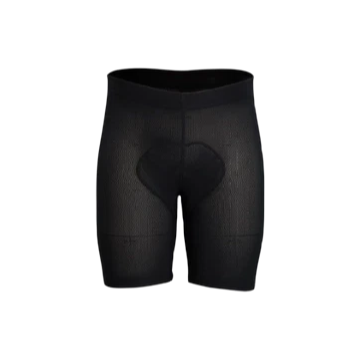
Sugoi Men’s RC Pro Cycling Liner
Price: $80.95
Maximized Comfort and Ventilation
The Sugoi Men’s RC Pro Cycling Liner is engineered for elite comfort and performance. Featuring a V-Notch design for improved ventilation and flexibility, and a 15mm high-density foam pad for superb shock absorption, this liner keeps you riding longer with less fatigue.
Precision Fit and Advanced Design
With a four-way stretch fabric, this liner molds seamlessly to your body for unmatched comfort and mobility. The welded center channel provides targeted pressure relief, while the perforated front panel increases breathability during intense rides. Designed to be worn under your favorite cycling shorts — note, only size Medium remains available.
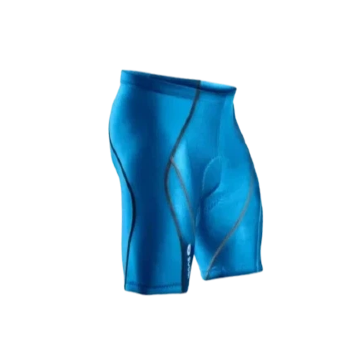
Sugoi RS Cycling Short
Price: $84.95
Streamlined for Speed and Comfort
Cut through the wind with the Sugoi RS Cycling Short, tailored for serious cyclists who value both performance and minimalism. Its no inseam construction reduces bulk and chafing under the chamois, while the 10-panel body contour fit ensures aerodynamic precision and movement efficiency.
Engineered for the Perfect Fit
Flat seams minimize irritation and friction, while the clean-finish grip leg elastic keeps the shorts securely in place without constriction. A soft 1-inch waistband enhances comfort for hours on the road, making these shorts the perfect blend of function and style for your next cycling adventure.
Product Series and Model Classification
Sugoi’s cycling shorts lineup is thoughtfully organized into distinct series, each tailored to specific riding needs and preferences. The Competition Series represents the pinnacle of performance, featuring race-proven designs with aerodynamic fabrics, minimal seams, and high-density chamois pads engineered for multi-hour rides. These shorts utilize the finest materials and most advanced construction techniques, making them ideal for serious road cyclists, triathletes, and racers who demand every possible advantage.
The Evolution Series strikes a balance between performance and versatility, offering excellent quality at a more accessible price point. These shorts incorporate many of the same technologies found in the competition line but with slightly more relaxed fits and designs that work well for both intense training sessions and recreational rides. This series has become a bestseller precisely because it refuses to compromise on essential features while remaining approachable for cyclists who ride regularly but may not be racing competitively.
The RSE (Ride. Survive. Enjoy.) Series focuses on durability and weather resistance, designed for riders who face challenging conditions or prefer year-round cycling. These shorts often feature reinforced panels, water-resistant treatments, and thermal properties that extend the riding season. Mountain bikers particularly appreciate this series for its abrasion resistance and the freedom of movement it provides during technical descents and climbs.
Gender-specific designs reflect Sugoi’s understanding that men and women have different anatomical needs. Women’s shorts feature chamois pads shaped to accommodate female anatomy, with different padding densities and cutouts positioned specifically for optimal comfort. The cuts account for differences in hip-to-waist ratios and inseam lengths. Men’s shorts typically offer more coverage and forward-positioned chamois designs that align with male anatomy. Both versions maintain the same standards for fabric quality and construction excellence.
Length options provide further customization. Bib shorts, which extend over the shoulders with suspenders, eliminate the waistband entirely, preventing any constriction around the midsection—a feature beloved by riders logging long distances. Traditional waist shorts offer easier bathroom breaks and a less committed fit for shorter rides or casual cyclists. Three-quarter length options provide additional coverage for cooler conditions while maintaining the breathability needed for hard efforts. Full-length tights extend protection into winter months, often featuring thermal fleece linings and windproof front panels.
The price spectrum ranges from approximately $80 for entry-level models to $200+ for top-tier competition shorts. This range ensures that cyclists at every level can access quality gear appropriate to their needs and budget, with each price point representing a clear value proposition rather than arbitrary markups.
Core Technology and Materials
Fabric Technology
The fabric composition of Sugoi Cycling Shorts represents years of material science innovation. The primary blend typically consists of 75-80% nylon, 15-20% Lycra (spandex), and small percentages of polyester or other synthetic fibers. This combination isn’t arbitrary—each component serves specific functions that contribute to overall performance.
Nylon provides the structural foundation, offering excellent abrasion resistance and durability while maintaining a smooth, comfortable feel against skin. Its quick-drying properties help manage moisture during intense efforts. Lycra, the brand name for elastane fiber, delivers the four-way stretch that allows shorts to move with your body through every pedal stroke, maintaining consistent compression without feeling restrictive. The percentage of Lycra directly influences how much stretch and recovery the fabric possesses—higher percentages provide more compression but can feel more constrictive, while lower percentages offer a more relaxed fit.
Moisture management technology goes beyond simply using synthetic fabrics. Sugoi employs hydrophobic fiber treatments that actively repel water molecules away from the skin, pushing perspiration to the fabric’s outer surface where it can evaporate efficiently. Some models incorporate strategic mesh panels in high-heat zones like behind the knees and upper thighs, creating ventilation channels that promote airflow without compromising the aerodynamic profile.
The compression characteristics of Sugoi shorts are engineered to support muscles during repetitive motion, reducing fatigue and promoting better circulation. Graduated compression—tighter around the thighs, gradually lessening toward the waist—mimics professional compression wear used in medical settings, helping to flush lactic acid and reduce muscle oscillation that can lead to soreness. However, Sugoi carefully balances compression with comfort, ensuring shorts never feel like tourniquets that restrict blood flow.
UV protection is built into the fabric itself, with ratings typically reaching UPF 50+, blocking over 98% of harmful ultraviolet radiation. For cyclists spending hours in direct sunlight, this protection is crucial for long-term skin health. The UV resistance comes from both the tight fabric weave and chemical treatments applied during manufacturing that don’t wash out over time.
Durability features include reinforced stitching at stress points, abrasion-resistant panels on the seat and inner thighs where contact with the saddle is constant, and colorfast dyes that resist fading even after hundreds of wash cycles and hours of sun exposure.
Chamois Technology
The chamois pad—that padded insert between rider and saddle—is arguably the most critical component of any cycling short. Sugoi’s chamois designs reflect sophisticated understanding of anatomy, pressure points, and the biomechanics of cycling. Different models feature varying thicknesses ranging from 8mm to 18mm, with strategic density zones that provide cushioning where needed while avoiding bulk where it would create chafing or discomfort.
Modern chamois construction uses multi-density foam, typically combining several layers with different characteristics. The bottom layer against the saddle is firmer and more resistant to compression, maintaining structure over long rides. Middle layers provide cushioning and shock absorption. The top layer against skin is softer, with a brushed or synthetic chamois leather surface that minimizes friction.
Anatomical shaping creates a three-dimensional structure that follows body contours rather than lying flat. Men’s chamois typically feature a central channel or reduced padding along the perineum to relieve pressure on sensitive tissues and improve blood flow. Women’s designs distribute padding differently, with more cushioning toward the rear and tailored shapes that accommodate wider sit bone spacing.
Antibacterial treatments are standard across Sugoi’s line, using either silver-ion technology or other antimicrobial agents that inhibit bacterial growth. This addresses one of cycling’s most uncomfortable issues—saddle sores caused by bacteria thriving in warm, moist conditions. These treatments remain effective through numerous wash cycles, though they do eventually diminish, typically after 100+ washes.
For different riding distances, Sugoi offers chamois recommendations: lighter pads (8-10mm) for rides under two hours or high-intensity efforts where excessive bulk feels intrusive; medium density (11-14mm) for typical training rides of 2-4 hours; and maximum cushioning (15-18mm) for century rides, bikepacking, or riders with particularly sensitive sit bones or who prefer plush support.
Cutting and Construction
Ergonomic design begins with pattern making. Sugoi’s shorts use anatomically correct panels that pre-shape the garment to match the cycling position—slightly forward-leaning, knees bent, weight distributed through the pelvis. This means the shorts fit perfectly when you’re on the bike, even if they might look slightly awkward when standing.
Seamless construction techniques minimize potential friction points. Where seams are necessary, Sugoi uses flat-lock stitching that creates smooth, flat seams rather than raised ridges. These seams are positioned away from high-contact areas whenever possible. In premium models, ultrasonic bonding replaces traditional stitching entirely in strategic locations, creating virtually seamless transitions between fabric panels.
Multi-panel construction—sometimes using eight or more separate pieces per leg—allows for more precise fit and better compression characteristics. More panels mean more seams, but it also means each panel can be cut on the optimal grain of the fabric for its specific location and function. This is why premium shorts use more panels despite the additional labor involved in construction.
Functional Features in Detail
The waistband design significantly impacts comfort and performance. Traditional elastic waistbands can dig into the stomach, especially when leaning forward or after consuming food during long rides. Sugoi addresses this with wide, soft elastic bands that distribute pressure across a larger area. Silicone gripper strips along the inside of the waistband keep shorts in position without needing excessive tightness. The band typically sits about 2-3 inches wide, striking a balance between staying put and remaining comfortable.
Bib short designs eliminate the waistband problem entirely by using shoulder straps (or “bibs”) to hold the shorts up. This design is preferred by serious cyclists for rides over two hours because it eliminates all pressure around the midsection, allowing for unrestricted breathing and digestion. The mesh bib straps provide support without overheating the torso, and many designs feature easy-open configurations that simplify bathroom breaks—once a major drawback of bib shorts.
Leg openings present their own engineering challenge: they must grip firmly enough to prevent riding up but not so tightly that they restrict circulation or create uncomfortable pressure. Sugoi uses laser-cut leg bands with internal silicone grippers printed in patterns (often small dots or stripes) that distribute grip forces and create less sensation of tightness while maintaining position. The leg bands are typically 1-2 inches wide, providing enough surface area for effective grip without excessive bulk.
Reflective elements are strategically placed for maximum visibility from multiple angles—typically on the rear of both legs, visible to approaching vehicles from behind, and sometimes on the sides or front. These elements use 3M Scotchlite or similar high-visibility materials that reflect light back toward its source, making cyclists visible from hundreds of feet away in low-light conditions.
Pocket configurations vary by model. Some shorts include small zippered pockets at the waist, sized for keys, cards, or energy gels. These pockets are positioned to remain accessible while riding and are water-resistant to protect contents from sweat and weather. The zippers feature rubber pulls that won’t irritate skin and lie flat to prevent chafing.
Quick-dry performance is quantifiable: quality cycling shorts should dry completely within 2-3 hours when hung in normal indoor conditions, and significantly faster in direct sunlight or airflow. This characteristic is crucial for multi-day tours or cyclists who need to wash shorts overnight and have them ready for morning rides.
Sizing Guide and Fit Recommendations
Proper sizing is fundamental to cycling short performance. Too tight, and you’ll experience restricted movement, circulation problems, and excessive compression that causes discomfort. Too loose, and you lose the benefits of compression, risk chafing from excess fabric movement, and create aerodynamic drag.
Sugoi provides detailed size charts that correlate waist measurements, hip measurements, and inseam lengths with their sizing system. To measure accurately, use a fabric measuring tape, not a rigid ruler. Measure your waist at its narrowest point, typically an inch or two above the navel. Measure hips at their widest point. Measure inseam from crotch to desired short length while standing naturally. Take measurements in the morning when your body hasn’t expanded from eating or evening fluid retention.
Size ranges typically include XS through XXL, with some models offering additional sizes at either extreme. Generally, if measurements fall between sizes, cyclists preferring a compression fit should size down, while those preferring comfort should size up. However, this guidance has limits—drastically undersizing for compression can cause circulation problems and discomfort that outweighs any performance benefits.
Fit profiles come in three general categories. Race fit is the most aggressive, designed to be worn with nothing underneath, fitting like a second skin with maximum compression and minimal excess fabric. It looks painted on and feels snug even while standing, but becomes comfortable once you’re in the riding position. Sport fit offers slightly more room, comfortable for both intense rides and recreational cycling. It provides compression benefits without feeling restrictive when off the bike. Relaxed fit is the most forgiving, designed for casual riders or those who prefer more coverage and less compression, though it sacrifices some aerodynamic and support benefits.
Body type considerations matter significantly. Cyclists with muscular thighs might need to size up to avoid excessive leg band tightness, even if their waist measurement suggests a smaller size. Riders with longer torsos might prefer the security of bib shorts over traditional waist shorts. Those with sensitive skin might opt for seamless models even if they cost more.
Application Scenarios and Outfit Coordination
Road cycling represents Sugoi’s primary design focus. Road shorts prioritize aerodynamics, moisture management, and comfort for long hours in the saddle. The close-fitting profiles reduce drag, while longer inseams (typically 9-11 inches) provide appropriate coverage and sun protection. Premium road shorts often omit pockets and minimize seams to create the smoothest possible surface. They pair naturally with road cycling jerseys, matching either as complete kit sets or coordinating solid colors with patterned jerseys.
Mountain biking demands different priorities. While comfort remains paramount, MTB-specific shorts often feature more robust construction with reinforced seat panels and inner thighs to withstand crashes and contact with rough saddles. The fit tends slightly looser to allow for the dynamic body movements required for technical riding—shifting weight, extending legs, maneuvering around obstacles. Many mountain bikers prefer shorts over bibs for easier access during trail-side breaks. These pair well with technical mountain bike jerseys and knee pads for aggressive riding.
Urban commuting presents unique requirements: shorts must transition from athletic wear to something reasonably presentable at the destination. Sugoi’s commuter-focused designs often use more subtle styling, solid colors, and include functional elements like reflective details for safety and pockets for keys and phones. Some models feature more casual waistbands that can be worn with regular shirts rather than cycling jerseys. Paired with a technical t-shirt or casual cycling jersey, these shorts work for rides where pure performance takes a back seat to versatility.
Indoor training on stationary bikes or smart trainers doesn’t require the durability or weather resistance of outdoor shorts, but it demands maximum moisture management. The lack of airflow from forward motion means sweat accumulates rapidly. Highly breathable models with maximum ventilation perform best. Since aesthetics matter less indoors, function trumps form—wear whatever feels most comfortable regardless of how it looks.
Coordinating with other cycling gear creates a complete system. In cooler weather, cycling shorts layer under tights or can be worn with knee or leg warmers that provide temperature regulation without requiring complete outfit changes. In hot conditions, pair with lightweight jerseys and consider arm sleeves or vests for early morning starts that will warm up later. Cycling socks should coordinate with shorts and jerseys, and most cyclists follow the unwritten rule that socks should be either white or match one of the kit colors.
Care and Maintenance Guide
Proper care dramatically extends cycling short lifespan and maintains their performance characteristics. Ideally, wash shorts after every ride—the combination of sweat, body oils, and bacteria creates an environment that degrades both fabric and chamois if left to sit. At minimum, rinse shorts in cold water immediately after riding if you can’t do a full wash, and hang them to dry completely before the proper wash.
Machine washing is acceptable if done correctly. Turn shorts inside out to protect the outer surface and any graphics. Use cold water exclusively—hot water breaks down elastic fibers and can cause shrinkage. Select a gentle or delicate cycle with minimal agitation. Place shorts in a mesh laundry bag to prevent them from getting stretched or caught on other items or the machine’s agitator.
Detergent selection matters more than many cyclists realize. Avoid traditional detergents with heavy fragrances, brighteners, or fabric softeners—these leave residue that can clog fabric pores, reducing breathability and moisture-wicking properties. Fabric softeners are particularly problematic, coating fibers in ways that destroy technical performance. Instead, use sport-specific detergents like Sport Suds, Penguin Sport Wash, or similar products designed for technical fabrics. Use about half the amount recommended on the bottle—more detergent doesn’t mean cleaner clothes, just more residue.
Drying should always be air drying, never machine drying. Heat from dryers degrades elastic fibers, shrinks fabrics, and can damage chamois padding. Hang shorts by the waistband or lay flat on a drying rack in a well-ventilated area away from direct sunlight and heat sources. They typically dry within a few hours. If you must speed drying, place near a fan but not a heater.
Chamois care deserves special attention. The padding requires thorough rinsing to remove all soap residue, which can harbor bacteria. Some cyclists hand-wash just the chamois portion with antibacterial soap while machine-washing the rest of the shorts. After washing, gently squeeze—never wring—excess water from the chamois. The antimicrobial treatments last longest when you avoid chlorine, bleach, and harsh chemicals.
Storage should be in a cool, dry place away from sunlight. Fold or roll shorts rather than hanging them, which can stretch the elastic over time. Keep them separated from items with hooks or rough surfaces that might snag the delicate fabric. Some cyclists store their shorts with cedar blocks or silica gel packets to manage moisture and odors.
Lifespan expectations vary with usage intensity and care quality. With proper care, quality cycling shorts typically last 200-400 rides or 2-5 years. Signs that replacement is needed include: visible thinning of fabric (especially the seat area), elastic that no longer rebounds, leg bands that don’t grip effectively, chamois that has compressed and lost cushioning, persistent odors that don’t wash out, or any holes or serious abrasions.
User Reviews and Feedback
Real-world user experiences provide invaluable insights beyond manufacturer specifications. Across multiple platforms including cycling forums, retail websites, and social media, several consistent themes emerge regarding Sugoi Cycling Shorts.
Comfort ranks as the most frequently praised attribute. Cyclists repeatedly mention being able to complete 100-mile rides without numbness or saddle soreness, crediting the chamois design and ergonomic fit. First-time buyers of quality cycling shorts often express surprise at the difference proper padding makes compared to recreational bike shorts or trying to ride with regular athletic wear. Even cyclists upgrading from other mid-range brands notice improved comfort, particularly during the 3-4 hour mark when inferior shorts begin causing hot spots or pressure points.
Durability exceeds expectations for most users. Reviews commonly mention shorts lasting multiple seasons with regular use, maintaining their shape and compression despite hundreds of miles and dozens of wash cycles. Mountain bikers note that even after crashes and contact with rough terrain, the fabrics resist tears and abrasion better than cheaper alternatives. The longevity represents genuine value, making the higher upfront cost worthwhile over time.
Performance characteristics receive consistent praise from serious cyclists. The moisture management keeps riders noticeably drier during hard efforts and hot weather rides. The compression provides muscle support without feeling restrictive, with many riders claiming reduced leg fatigue on long rides. The fit stays in place throughout rides without requiring constant adjustment—the leg grippers and waistbands maintain position even during aggressive riding or when transitioning from seated to standing climbing.
Value proposition generates mixed but generally positive feedback. Cyclists accustomed to bargain-basement shorts immediately recognize the quality difference and consider Sugoi excellent value. However, riders comparing to premium brands like Assos or Rapha sometimes note that while Sugoi offers 80-90% of the performance at 50-60% of the cost, there are marginal differences in fabric feel, chamois luxury, and construction details. The consensus seems to be that Sugoi represents the point of diminishing returns—beyond this level, improvements become incremental rather than transformative.
Common improvement suggestions focus on a few specific areas. Some users request more women-specific sizing options, particularly for riders with proportions that don’t match standard size charts. Others desire more pockets or storage options without compromising the streamlined fit. A subset of reviewers wishes for more conservative styling options without bright colors or large logos, preferring understated designs for commuting or casual riding. A few note that the sizing runs slightly small compared to other brands, suggesting that the size charts could be more explicit about this characteristic.
Feedback varies somewhat by riding intensity. Casual recreational riders (under 10 hours monthly) often feel any quality cycling short would serve their needs adequately and sometimes question whether premium features matter for their usage level. Regular enthusiasts (10-20 hours monthly) report that Sugoi hits the sweet spot for their needs—enough quality to handle serious training without the price premium of professional-grade equipment. Serious cyclists and racers (20+ hours monthly) appreciate the performance but occasionally invest in ultra-premium brands for race day while using Sugoi for training, finding this hybrid approach optimizes both performance and budget.
Competitive Analysis
In the crowded cycling apparel market, understanding where Sugoi positions itself relative to competitors helps inform purchasing decisions.
Pearl Izumi represents perhaps Sugoi’s closest competitor in market position and philosophy. Both brands target serious recreational and competitive cyclists with technical products at mid-to-upper price points. Direct comparisons show similar fabric quality, though Pearl Izumi often features more diverse style options and extensive size ranges. Pearl Izumi’s chamois padding tends toward the plush side, while Sugoi favors medium-density padding with more anatomical shaping. Price-wise, they overlap significantly, though Pearl Izumi occasionally commands $10-20 premiums on comparable models. Cyclists choosing between them often make decisions based on fit preferences discovered through trial rather than objective superiority of either brand.
Castelli occupies premium territory, with shorts often priced 30-50% above Sugoi. The Italian brand emphasizes cutting-edge fabric technologies, race-proven designs, and partnerships with professional cycling teams. Castelli shorts typically feature more aggressive race fits, proprietary fabric blends, and construction techniques like raw-cut leg bands that eliminate stitching entirely. Performance differences are real but incremental—a professional racer might gain measurable benefits from Castelli’s marginal advantages, but most cyclists would struggle to distinguish between the brands in blind testing. Castelli represents aspirational purchasing for many riders, while Sugoi focuses on delivering professional-grade performance without the premium badge pricing.
Specialized and Giant, as major bike manufacturers, offer house-brand cycling apparel that competes on price and availability. Their shorts are often well-constructed and represent good value, typically priced $20-40 below equivalent Sugoi models. However, these brands don’t specialize in apparel with the same intensity as dedicated clothing manufacturers, and their innovation cycles tend to lag behind. The convenience factor—buying shorts when purchasing or servicing a bike—drives many sales, but dedicated cycling apparel brands like Sugoi maintain advantages in fit refinement and fabric selection.
Budget brands flooding online marketplaces offer cycling shorts at $30-50 price points. While tempting for cost-conscious buyers, these products typically sacrifice everywhere: thinner fabrics that pill and fade quickly, generic chamois padding that compresses prematurely, poor moisture management, and short lifespans. For cyclists riding more than once or twice weekly, the false economy of cheap shorts becomes apparent quickly—discomfort, rapid wear, and eventual replacement often cost more than investing in quality initially.
Sugoi’s unique advantages cluster around several themes. The brand maintains a sweet spot of performance-oriented design without race-exclusive fits that alienate recreational riders. The product line offers genuine variety for different riding styles rather than forcing all cyclists into road-racing templates. Quality control remains consistently high across price points—even entry-level Sugoi shorts use proper construction techniques and legitimate performance fabrics rather than cutting corners. The company’s focus exclusively on cycling and running means developments transfer directly to product improvements rather than being diluted across dozens of sports categories.
Buying Recommendations and FAQ
Purchase Recommendations
For beginning cyclists investing in their first quality shorts, the Sugoi Evolution series provides an ideal entry point. These shorts incorporate essential technologies—proper chamois, moisture-wicking fabrics, compression fit—without overwhelming newcomers with race-specific features they may not yet appreciate or need. The moderate price point reduces commitment anxiety while delivering performance that will satisfy through multiple seasons of growing cycling enthusiasm. Beginners should prioritize comfort and proper fit over marginal performance gains, selecting traditional waist shorts for their simplicity and opting for medium-density chamois padding.
Advancing recreational cyclists who ride regularly and have identified their preferences should consider series-specific to their dominant riding style. Road cyclists logging long weekend rides benefit from Evolution or RSE models with longer inseams and enhanced chamois. Mountain bikers should examine RSE series for durability features and slightly relaxed fits. Riders mixing disciplines might maintain a rotation of shorts rather than seeking one perfect pair. At this level, experimenting with bib shorts becomes worthwhile—the comfort advantages become apparent on rides exceeding three hours.
Competitive riders and serious enthusiasts pursuing performance optimization can justify investment in Competition series shorts. The marginal gains from premium fabrics, aerodynamic fits, and race-specific features accumulate over long seasons and high mileage. These cyclists often maintain multiple pairs—training shorts that balance durability with performance, and race-day shorts reserved for events where every advantage matters. At this level, personal preference trumps objective features—fit quirks and chamois preferences become highly individual, and riders should try multiple brands to discover their ideal match.
Seasonal considerations influence purchasing strategy. Spring and fall shoulder seasons benefit from three-quarter length or thermal models that provide additional coverage during temperature swings. Summer demands maximum breathability and moisture management, making lightweight, well-ventilated options essential. Winter cyclists need thermal tights with windproof front panels and fleece linings, often worn over summer shorts to preserve the chamois they’ve already broken in. Buying during end-of-season sales provides significant savings, particularly for previous-year colors and styles with unchanged technology.
Common Questions Answered
“Should I wear underwear with cycling shorts?” No, emphatically. Cycling shorts are engineered to be worn against bare skin. Underwear creates additional seams and fabric layers that bunch, retain moisture, and cause chafing—the very problems cycling shorts are designed to prevent. The chamois requires direct skin contact to function properly, wicking moisture away and providing seamless cushioning. Wearing underwear is the single most common mistake new cyclists make, and it compromises every benefit quality shorts provide.
“How do I know if the chamois fits me properly?” A properly fitted chamois should feel barely noticeable when riding—no bunching, no pressure points, no sense of sitting on a bulky pad. Standing still, shorts might feel strange or even slightly uncomfortable; this is normal since they’re designed for the riding position. During the ride, you shouldn’t think about the chamois. If you’re constantly aware of it, shifting positions, or experiencing numbness or pain, something is wrong. This might mean incorrect short size, incompatible saddle width, or simply that particular chamois design doesn’t match your anatomy. Professional bike fittings can identify saddle and short compatibility issues.
“How often should I replace cycling shorts?” Multiple factors influence replacement timing. For shorts worn 2-3 times weekly year-round, expect 2-3 years before replacement becomes necessary. However, monitor for specific degradation signs rather than arbitrary timelines: compression loss (fabric no longer rebounds when stretched), visible thinning especially in the seat area, persistent odors surviving proper washing, chamois that has compressed and hardened losing its cushioning, and leg bands that no longer grip effectively. Some cyclists replace chamois-compromised shorts more quickly because saddle comfort directly affects riding enjoyment, while tolerating fabric wear longer since it primarily affects aesthetics.
“What causes chafing and how can I prevent it?” Chafing results from repetitive friction between skin, fabric, and the saddle, exacerbated by moisture from sweat. Prevention strategies include: ensuring proper short fit (too loose causes excess fabric movement), applying chamois cream before rides (creates protective barrier reducing friction), staying well-hydrated (reduces salt concentration in sweat that causes irritation), washing shorts after every use (bacteria and dried sweat crystals increase friction), and replacing worn shorts promptly (thin, pilled fabric causes more friction than smooth new fabric). If chafing persists despite these measures, the saddle width or position may need adjustment.
“Will cycling shorts feel weird at first?” Yes, almost certainly. The snug compression, prominent chamois pad, and close-fitting leg bands feel unusual if you’re accustomed to regular athletic wear. Standing and walking around, quality cycling shorts feel decidedly strange. However, this discomfort should vanish within the first few miles of riding as your body position changes and the shorts’ design advantages become apparent. Give new shorts 2-3 rides of at least an hour each before judging comfort—the chamois needs to compress and conform to your anatomy, and you need to acclimate to the feeling. If discomfort persists or worsens after several rides, the sizing or style likely isn’t correct for your body type.
Purchase Channels and After-Sales Service
Acquiring Sugoi products through proper channels ensures authentic products and valid warranties. The official Sugoi website offers the complete current catalog with detailed size charts, product descriptions, and usually the fullest size availability. Direct purchasing includes manufacturer warranties and straightforward return policies. The website frequently runs sales and promotions, particularly during season transitions, offering 20-40% discounts on previous season styles.
Authorized retailers include major cycling specialty chains, independent bike shops, and selected sporting goods stores. These physical locations provide the irreplaceable advantage of trying shorts on before purchase, getting expert fitting assistance, and receiving immediate product. Staff at quality cycling shops understand sizing nuances and can recommend specific models based on your riding style and body type. While prices match MSRP during season, retailers often discount older inventory significantly. Supporting local bike shops also contributes to cycling community infrastructure and ensures access to expertise for future needs.
Online retailers like Competitive Cyclist, Backcountry, Jenson USA, and REI carry extensive Sugoi selections, often at competitive prices. These platforms provide customer reviews, detailed product photos, and comparison tools. Their return policies generally accommodate fit issues if you order multiple sizes to try at home. Prime cycling season (March-September) typically sees full-price listings, while off-season presents better deal opportunities.
Beware of unauthorized sellers on marketplaces like Amazon or eBay where counterfeit cycling apparel proliferates. While some legitimate retailers operate through these platforms, distinguishing authentic from fake requires diligence. Prices dramatically below MSRP (40%+ off current season items) or sellers without verifiable cycling industry credentials raise red flags. Counterfeit shorts look similar but use inferior materials, lack proper chamois, and fail quickly.
Return and exchange policies vary by retailer but generally include 30-60 day windows for unworn, unwashed items with tags attached. Some retailers offer extended “wear test” periods allowing a single ride before deciding—this reasonable policy acknowledges that fit can only truly be assessed while riding. Always inspect shorts immediately upon arrival, checking for manufacturing defects, fabric flaws, or damage.
Warranty coverage typically extends 1-2 years from purchase, protecting against manufacturing defects like seam failures, fabric tears unrelated to wear and abuse, or chamois delamination. Normal wear and tear isn’t covered—holes from crashes, fading from sun exposure, or compression loss from extensive use falls outside warranty scope. Claims require proof of purchase from authorized retailers and photographs documenting the defect. Processing times run 2-4 weeks typically.
Customer service contact is available through the Sugoi website, typically via email support forms or phone during business hours. Response times average 24-48 hours for emails. Representatives can assist with sizing questions, product selection, warranty claims, and locating authorized retailers. The company maintains active social media presence where general questions sometimes receive quicker responses, though detailed issues require formal support channels.