
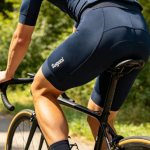
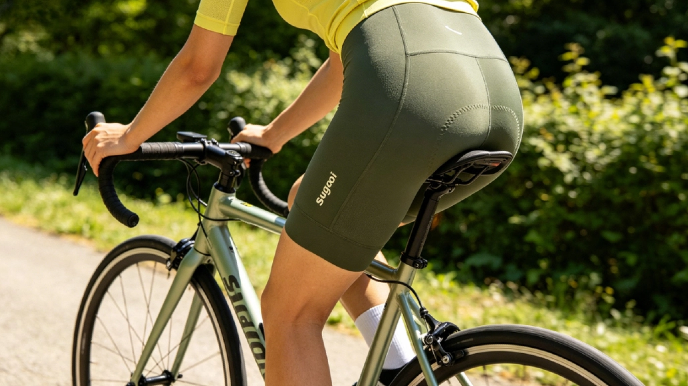
Sugoi has established itself as a premier brand in the cycling apparel industry, renowned for its commitment to innovation, quality, and performance-driven design. Founded with the mission to enhance the cycling experience through technical excellence, Sugoi has become synonymous with professional-grade cycling gear that meets the demanding needs of serious cyclists worldwide. The brand’s reputation stems from decades of research, development, and collaboration with professional athletes, resulting in products that seamlessly blend cutting-edge technology with practical functionality.
The Sugoi Bike Shorts series represents the pinnacle of cycling short design, embodying the brand’s core philosophy of combining comfort, performance, and durability. These professional cycling shorts are engineered to address the specific challenges cyclists face during long rides, intense training sessions, and competitive events. The series distinguishes itself through meticulous attention to detail, from the selection of premium materials to the precision of anatomical construction, ensuring that every element serves a purpose in enhancing the rider’s experience.
The target audience for Sugoi Bike Shorts encompasses a diverse range of cycling enthusiasts, including road cycling aficionados who demand aerodynamic efficiency and lightweight construction, mountain biking adventurers who require enhanced durability and protective features, and indoor training devotees who prioritize breathability and moisture management. Whether navigating challenging mountain trails, maintaining high speeds on paved roads, or maximizing performance during structured indoor workouts, Sugoi Bike Shorts are designed to meet the exacting standards of cyclists who refuse to compromise on quality.
Premium Sugoi Cycling Shorts Collection
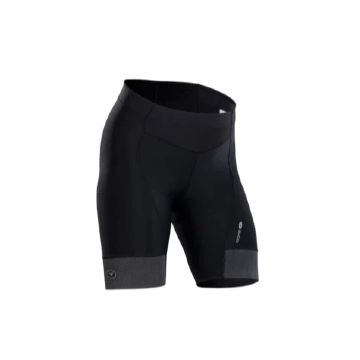
Sugoi Women’s Evolution Zap Bike Short – 2018
Price: $119.95
High-Performance Comfort and Visibility
Designed for serious riders, the Sugoi Women’s Evolution Zap Bike Short delivers top-level performance blended with premium comfort. The breathable, moisture-wicking fabric keeps you cool and dry, even during intense rides. Its 8-panel design and flat seams provide a contoured, body-hugging fit that minimizes friction and maximizes comfort through every mile.
Enhanced Safety with Zap Technology
Ride confidently in low-light conditions with hi-vis Zap leg bands that shine bright up to 140 meters away. The updated RC Pro chamois with 3D construction ensures long-lasting comfort, while the MAB PowerBand silicone gripper keeps the shorts perfectly in place—never too tight, never riding up. These shorts exceed high-visibility standards, ensuring you’re seen and safe on every ride.
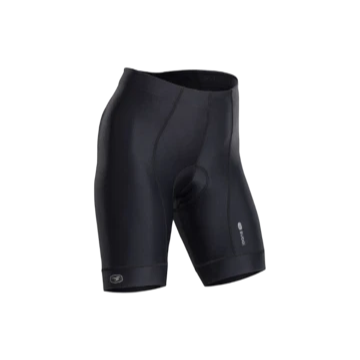
Sugoi Women’s Classic Bike Short
Price: $80.95
Classic Fit with Modern Performance
The Sugoi Women’s Classic Bike Short offers a timeless design built for both comfort and reliability. Its 6-panel contour design and RC 100 chamois support a smooth and stable ride whether you’re commuting or training. The soft waistband ensures a secure fit, adapting ergonomically to your movement.
Effortless Style and Functionality
Made with soft, stretchable materials, these shorts stay in place without the need for a silicone gripper—providing a natural, unrestrictive feel. Perfect for medium-distance rides, the Classic Bike Short delivers unbeatable value with a 9-inch inseam that balances modesty and performance.
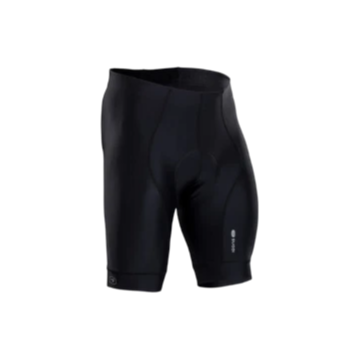
Sugoi Men’s Classic Bike Short (Only Size XXL Left)
Price: $79.95
Built for Everyday Riding
Engineered for comfort and endurance, the Sugoi Men’s Classic Bike Short brings together a simple 6-panel construction and the RC 100 chamois for exceptional cushioning. Ideal for casual riders and dedicated cyclists alike, this short ensures consistent comfort mile after mile.
Comfort That Lasts All Day
The elastic waistband and self-fabric folded leg band provide a secure yet gentle fit—no pinching, no shifting. With its 9-inch inseam, the Men’s Classic Short delivers reliable coverage and flexibility. Designed with durability in mind, this classic piece remains a top choice for value-oriented cyclists.
Core Product Features
Fabric Technology
The foundation of Sugoi Bike Shorts lies in their advanced high-performance stretch fabric, which incorporates sophisticated breathability and moisture-wicking capabilities. This technical fabric system works by actively drawing perspiration away from the skin’s surface and dispersing it across a larger area, where it can evaporate more efficiently. The microscopic structure of the fibers creates channels that facilitate rapid moisture transfer, keeping riders dry and comfortable even during intense exertion. Laboratory testing has demonstrated that Sugoi fabrics can wick moisture up to three times faster than conventional athletic materials, significantly reducing the accumulation of sweat and the accompanying discomfort.
The four-way stretch design represents a revolutionary advancement in cycling apparel, providing unrestricted freedom of movement in all directions. Unlike traditional two-way stretch fabrics that only expand along horizontal or vertical axes, four-way stretch technology allows the material to flex diagonally, accommodating the complex, multi-directional movements inherent in cycling. This means riders can transition seamlessly between seated pedaling, standing climbs, and aggressive cornering positions without experiencing any binding, pulling, or restriction. The elasticity returns immediately to its original shape after stretching, maintaining the garment’s structural integrity ride after ride.
Ultraviolet radiation protection is integrated directly into the fabric structure, offering UPF 50+ rating that blocks over 98% of harmful UV rays. This sun protection is not a surface treatment that diminishes with washing but rather an intrinsic property of the fiber composition, ensuring consistent protection throughout the garment’s lifespan. For cyclists spending extended hours under direct sunlight, this built-in protection reduces the risk of sunburn and long-term skin damage, providing peace of mind alongside performance benefits.
Extensive durability testing confirms the exceptional wear resistance of Sugoi fabrics. Abrasion resistance tests, conducted using Martindale methodology, demonstrate that these materials can withstand over 50,000 cycles before showing significant wear—equivalent to several seasons of regular use. The fabric maintains its structural integrity, color vibrancy, and elastic properties even after hundreds of wash cycles, representing a superior investment compared to lower-quality alternatives that deteriorate rapidly.
Chamois Pad System
The multi-density chamois pad represents the heart of Sugoi Bike Shorts’ comfort system, featuring an ergonomically engineered design that conforms precisely to the human anatomy. This sophisticated padding system employs variable density zones, with firmer support in high-pressure areas and softer cushioning where greater flexibility is required. The strategic placement of these zones is determined through extensive pressure mapping studies conducted with professional cyclists, ensuring optimal comfort across different riding positions and saddle types.
Advanced shock absorption technology embedded within the chamois dramatically reduces the cumulative impact fatigue associated with long-distance riding. The pad’s cellular structure compresses progressively under load, absorbing road vibrations and dissipating impact forces before they reach sensitive tissues. This cushioning effect becomes particularly crucial during extended rides exceeding three hours, where inadequate padding can lead to numbness, discomfort, and potential injury. Riders consistently report that Sugoi’s chamois system allows them to maintain comfort and performance well beyond the point where inferior products would cause significant distress.
Strategic ventilation perforations throughout the chamois facilitate continuous airflow and moisture management, creating a microclimate that prevents the accumulation of heat and humidity. These carefully positioned breathable channels work in conjunction with the fabric’s wicking properties to maintain a dry interface between the rider and the saddle. The result is a dramatic reduction in the risk of chafing, skin irritation, and the development of bacteria-friendly environments that can lead to saddle sores.
Antimicrobial treatment technology applied to the chamois inhibits the growth of odor-causing bacteria and fungi, maintaining freshness even during multi-day cycling tours or back-to-back training sessions. This treatment utilizes silver ion technology or similar antimicrobial agents that remain effective through hundreds of wash cycles, providing lasting protection without compromising the pad’s softness or breathability.
Pattern Design
The three-dimensional anatomical construction of Sugoi Bike Shorts represents a departure from traditional flat-pattern design, instead employing multiple curved panels that mirror the natural contours of the human body in cycling position. This ergonomic approach eliminates excess fabric bunching and creates a second-skin fit that moves harmoniously with the rider. The pattern accounts for the forward-leaning posture characteristic of cycling, with an extended rise in the back and a lower front that prevents bunching at the waist when riders assume an aerodynamic position.
Comfort across different riding positions is ensured through strategic seam placement and panel orientation. Seams are positioned away from high-friction zones and pressure points, while the fabric’s grain is aligned to accommodate the primary directions of movement and stress. Whether sprinting out of the saddle, maintaining a steady seated tempo, or descending in a tucked position, the shorts adapt seamlessly without creating pressure points or restricting circulation.
Targeted compression zones at the waist and thighs provide graduated support that enhances muscle stability without compromising circulation. The compression follows a scientifically calibrated gradient, applying firmer pressure at the extremities and gradually decreasing toward the core. This design promotes venous return, reduces muscle oscillation during pedaling, and provides a secure, locked-in feeling that inspires confidence during aggressive riding.
Anti-slip silicone gripper bands at the leg openings employ a specially formulated compound that maintains secure adhesion to the skin without causing irritation or leaving marks. The gripper pattern features a series of small, flexible silicone dots or strips that distribute holding force evenly around the circumference of the leg. This prevents the shorts from riding up during activity, maintaining proper chamois positioning and preserving the garment’s aerodynamic profile throughout the entire ride.
Product Line Series
Classification by Usage Scenario
The Road Cycling Specialist model emphasizes lightweight construction and aerodynamic optimization, incorporating features specifically tailored to the demands of high-speed pavement riding. These shorts utilize ultra-thin yet durable fabrics that reduce weight to approximately 150-180 grams per pair while maintaining essential support and protection. Aerodynamic panel shaping minimizes air resistance, and the streamlined silhouette complements the aggressive positioning typical of road cycling disciplines. The chamois in road-specific models tends toward a lower profile to accommodate the more consistent saddle contact characteristic of smooth pavement riding.
Mountain Biking Reinforced editions feature enhanced abrasion resistance and protective elements designed to withstand the rigors of off-road terrain. Strategic reinforcement panels at high-wear zones—particularly the seat, inner thighs, and outer hips—utilize more robust fabric weaves that resist tearing and abrasion from contact with the saddle, vegetation, and occasional ground contact. The chamois system in mountain bike shorts typically offers greater thickness and more aggressive shock absorption to manage the constant impacts and vibrations transmitted through rough trail surfaces. Additional features may include integrated protective padding at the hips and thighs for riders tackling technical terrain.
Indoor Training variants prioritize maximum breathability and rapid moisture evacuation, recognizing that stationary riding in climate-controlled environments creates unique thermal management challenges. These shorts feature extensive mesh panel integration, particularly along the sides and back, where heat accumulation is most problematic. The chamois design emphasizes minimal thickness and maximum ventilation, as indoor riders maintain more consistent saddle pressure without the positional variation of outdoor riding. Quick-drying properties become paramount, as indoor training sessions often involve higher sweat rates in less-ventilated conditions.
All-Weather Performance models incorporate weather-resistant technologies including water-repellent coatings, windproof membrane panels, and thermal insulation layers. These versatile shorts bridge the gap between summer riding gear and full winter tights, making them ideal for unpredictable spring and autumn conditions. Strategic placement of weather-protective panels shields riders from wind and light precipitation while maintaining breathability in less exposed areas, preventing overheating during high-intensity efforts.
Classification by Length
Short-length variations, typically ending 6-8 inches above the knee, provide maximum ventilation and freedom of movement, making them the preferred choice for hot summer conditions and high-intensity efforts. The shorter inseam reduces fabric coverage, enhancing cooling efficiency while maintaining all essential protective and performance features. These shorts work exceptionally well for riders in consistently warm climates or those who generate substantial body heat during exercise.
Three-quarter length options extend to just below the knee, offering additional coverage and modest thermal protection suitable for transitional seasons. This length provides a practical compromise between the full ventilation of short styles and the comprehensive coverage of full-length tights, making them versatile choices for variable weather conditions. The extended leg coverage also offers increased sun protection and can provide a psychological comfort factor for riders who prefer more coverage.
Full-length designs with integrated knee protection extend all the way to the ankle, incorporating strategic padding or armor at the knees for cold-weather riding or aggressive off-road applications. These models often feature thermal fabrics, fleece backing, or windproof membranes to maintain comfortable leg temperature in challenging conditions. The knee protection can range from simple extra padding to hard-shell armor systems, depending on the intended application and level of protection required.
Gender-Specific Differences
Women’s exclusive patterns acknowledge and accommodate the physiological differences in female anatomy, featuring modified chamois designs that account for different pressure point distributions and bone structure. The female-specific chamois typically offers a wider rear section and different density distribution to align with female pelvic anatomy. Additionally, women’s shorts feature adjusted rise proportions and waist construction that account for different hip-to-waist ratios, ensuring proper fit and preventing gapping or compression in inappropriate areas.
Men’s designs incorporate anatomical support structures specifically engineered for male physiology, with chamois configurations that provide appropriate cushioning and space for male anatomical requirements. The front panel design and rise proportions reflect male body proportions, ensuring comfort and proper positioning of all features without excess material or inadequate coverage.
Unisex models employ neutral design principles suitable for a broad range of body types, typically utilizing more moderate rise proportions and chamois designs that accommodate both male and female anatomy reasonably well. These versatile options appeal to riders seeking streamlined purchasing options or those whose body proportions fall outside typical gender-specific sizing patterns.
Technological Innovation Highlights
Compression Technology
Progressive compression engineering represents a sophisticated application of graduated pressure that promotes enhanced blood circulation throughout the legs. The compression level decreases gradually from the leg openings toward the waist, creating a pressure gradient that assists venous return—the process by which deoxygenated blood returns from the extremities to the heart. This physiological support becomes particularly valuable during extended rides when muscle fatigue can compromise natural circulatory efficiency, helping maintain oxygen delivery to working muscles and facilitating waste product removal.
The reduction of muscle vibration through strategic compression significantly decreases accumulated fatigue during long rides. Every pedal stroke generates microscopic muscle oscillations that, over thousands of repetitions, contribute to cellular damage and energy expenditure. Compression fabric dampens these vibrations, stabilizing muscle groups and reducing this unnecessary energy waste. Riders often report noticeable decreases in post-ride soreness and faster recovery times when using properly designed compression cycling shorts.
Post-exercise recovery acceleration is facilitated by the continued wearing of compression garments after rides, promoting faster removal of metabolic waste products and reducing inflammation. Many athletes incorporate compression into their recovery protocols, wearing cycling shorts for several hours after intense training sessions to maximize these benefits and prepare more effectively for subsequent workouts.
Temperature Regulation System
Strategic mesh ventilation zones are positioned based on thermal mapping studies that identify areas of maximum heat generation during cycling. These breathable panels are typically located along the sides of the thighs, across the lower back, and behind the knees—regions where heat accumulation is most problematic. The mesh construction allows unrestricted airflow while maintaining the structural integrity and compression properties of the overall garment.
The moisture-wicking mechanism operates through capillary action, where the hydrophilic (water-attracting) properties of the fiber interior draw perspiration away from the skin, while the hydrophobic (water-repelling) exterior surface spreads this moisture across a broad area for rapid evaporation. This bidirectional transport system maintains a dry microclimate next to the skin, preventing the cooling effect of evaporating sweat directly on the body surface, which can lead to chilling during rest periods or descents.
Quick-dry performance metrics demonstrate that Sugoi fabrics typically achieve 90% dryness within 30-45 minutes of completing a ride, compared to 2-3 hours for conventional athletic fabrics. This rapid drying capability proves invaluable for multi-day tours, bikepacking adventures, or simply for riders who need to pack gear immediately after training sessions.
Reflective Safety Design
Reflective element placement follows extensive visibility research, positioning reflective strips, logos, and patterns in locations that maximize recognition from multiple angles. Key placement zones include the lower legs, where the natural motion of pedaling creates an attention-grabbing kinetic effect, and across the seat and lower back, where automobile headlights typically aim. Some models incorporate 360-degree reflectivity, ensuring visibility regardless of the rider’s orientation to traffic.
Nighttime riding visibility enhancement provided by these reflective features can increase a cyclist’s detection distance from 50-100 feet (with dark clothing) to over 500 feet when properly illuminated by vehicle headlights. This dramatic improvement in conspicuity provides crucial additional reaction time for motorists, significantly enhancing safety during dawn, dusk, and nighttime riding.
Compliance with international safety standards, including EN 13356 (European reflective apparel standard) and ANSI/ISEA 107 (American visibility standard), ensures that Sugoi’s reflective features meet or exceed established benchmarks for conspicuity and durability. These certifications verify that reflective materials maintain their effectiveness through specified numbers of wash cycles and years of use.
Sizing and Selection Guide
Size Chart
Precise measurement methodology is essential for optimal fit. Waist measurement should be taken at the natural waistline (typically at navel level), not at the top of the hips or where pants typically sit. Hip circumference should be measured at the fullest part of the buttocks, with the measuring tape parallel to the floor. Thigh circumference is best measured at the midpoint between the hip and knee while standing naturally. All measurements should be taken directly against the skin or over form-fitting undergarments, avoiding compression or slouching that could skew results.
Recommended sizing correlates specific height and weight ranges with appropriate sizes, though body composition significantly influences ideal fit. A muscular, lean cyclist may require a larger size than someone of identical height and weight with higher body fat percentage, as muscle mass creates different dimensional requirements. Sugoi typically provides detailed sizing charts that cross-reference multiple measurements, allowing customers to identify the size that best accommodates their specific proportions.
Fit distinction between compression-oriented and relaxed-fit styles requires understanding that true cycling shorts are designed to fit snugly without excess fabric. Compression models should feel noticeably firm when first donned but should not restrict breathing or create bulging around the waistband or leg openings. Relaxed-fit options provide slightly more ease while maintaining performance features, appealing to riders who prefer less compression or who use cycling shorts for mixed-use activities.
Selection Recommendations
Chamois thickness selection should align with riding intensity and duration. Novice riders or those undertaking especially long endurance events may benefit from maximum cushioning (typically 12-15mm thickness), while experienced riders with well-adapted anatomy and shorter, higher-intensity rides might prefer minimal padding (6-9mm) that provides a more direct connection to the saddle and reduces bulk.
Compression level determination depends on riding distance and personal tolerance. Light compression suits most recreational riders and shorter outings, moderate compression benefits most training scenarios and century rides, while maximum compression is typically reserved for ultra-endurance events or riders specifically seeking recovery benefits.
Climate considerations significantly influence fabric selection. Hot, humid environments demand maximum breathability and moisture management, suggesting lighter fabrics with extensive mesh integration. Cool, dry conditions allow for thicker fabrics with thermal properties, while variable weather scenarios benefit from layerable options or all-weather models with adaptive features.
Budget considerations involve evaluating the balance between initial investment and long-term value. Entry-level Sugoi shorts (typically $80-120) provide excellent performance for recreational riders or those new to cycling, featuring quality chamois systems and durable fabrics suitable for regular use. Professional-grade models ($150-250) incorporate advanced materials, more sophisticated chamois systems, and enhanced durability that justifies their premium pricing for serious enthusiasts logging substantial annual mileage.
Wearing and Care Instructions
Proper Wearing Method
The question of underwear usage with cycling shorts has a definitive professional consensus: cycling shorts are designed to be worn directly against the skin without underwear. Underwear creates additional seams and fabric layers that can cause chafing, bunching, and disrupt the moisture management system. The chamois is engineered to interface directly with skin, and introducing an additional layer compromises its effectiveness. Riders concerned about hygiene should simply ensure diligent washing of their cycling shorts after each use.
Chamois positioning adjustment ensures that the pad aligns correctly with the saddle contact area, typically sitting slightly forward of center when standing. Once on the bike, the chamois should align with the sit bones (ischial tuberosities) and provide even coverage across all saddle contact zones. If the chamois bunches, slides backward, or creates pressure points, the shorts may be incorrectly sized or positioned.
Coordination with cycling jerseys involves ensuring that the shorts’ waistband sits at the appropriate height to receive the jersey hem, creating a complete coverage overlap that prevents exposed skin during riding positions. Bib shorts eliminate waistband pressure entirely by using shoulder straps to hold the shorts in position, offering advantages for riders who find traditional waistbands uncomfortable during long rides.
Washing and Maintenance
Recommended washing practices specify using cool to lukewarm water (30-40°C maximum) with mild, liquid detergent free from fabric softeners, bleach, or harsh chemicals that can degrade elastic fibers and chamois materials. Machine washing on gentle cycles is acceptable, though hand washing provides the most gentle treatment and extends garment life. Always close any hook-and-loop fasteners before washing to prevent fabric snagging.
Chamois longevity depends heavily on proper care. Never wring or twist the pad, as this can damage its cellular structure. After washing, gently press excess water from the chamois and reshape it while damp. Air drying away from direct heat or sunlight preserves the pad’s cushioning properties and prevents premature degradation. High heat from dryers accelerates the breakdown of foam structures and elastic components.
Storage recommendations include keeping cycling shorts in cool, dry, dark environments, ideally hung or loosely folded rather than tightly compressed in drawers. Avoid storing in hot vehicles or humid spaces, as elevated temperatures and moisture promote material degradation and bacterial growth.
Replacement interval guidelines suggest evaluating shorts after approximately 3,000-5,000 miles of use or when visible wear appears in the chamois, elastic degradation becomes apparent, or comfort noticeably declines. Regular riders logging 3,000+ miles annually should expect to replace shorts every 12-18 months, while less frequent riders may achieve 2-3 years of service from quality shorts with proper care.
User Reviews and Feedback
Advantages Summary
Comfort assessments from actual users consistently highlight the exceptional all-day wearability of Sugoi Bike Shorts, with many riders reporting that they forget they’re wearing them after the first few miles. The chamois system receives particular praise for its ability to remain comfortable during extended rides without requiring repositioning or adjustment stops.
Long-distance testing feedback from century rides, gran fondos, and multi-day tours confirms that Sugoi shorts maintain their comfort and performance characteristics well beyond the four-hour threshold where lesser products typically cause problems. Riders note minimal saddle soreness, reduced numbness issues, and the ability to maintain focus on riding rather than discomfort.
Durability experiences shared by long-term users report that quality Sugoi shorts maintain their fit, compression, and chamois effectiveness through multiple seasons of regular use. The fabrics resist pilling and color fading better than many competitors, while seams and elastic components maintain integrity through hundreds of wash cycles.
Common Issues
Sizing discrepancies occasionally arise, with some riders noting that certain models run slightly small or large compared to size chart predictions. Sugoi has refined sizing across collections, but body proportion variations mean some individuals may need to size up or down from their typical measurements. Customer service typically assists with exchanges if initial sizing proves incorrect.
Chamois adaptation period represents a normal physiological adjustment as riders’ bodies acclimate to cycling and specific padding characteristics. New riders should expect 3-5 rides before full comfort is achieved, as tissues adapt to sustained pressure and the chamois conforms to individual anatomy. Persistent discomfort beyond this period may indicate sizing issues or the need for different chamois density.
Value proposition comparisons reveal that while Sugoi shorts command premium pricing, their performance-to-cost ratio compares favorably with competitors when accounting for durability and long-term comfort. Some entry-level riders may find comparable comfort from less expensive brands for limited mileage applications, but serious cyclists consistently report that investing in quality shorts like Sugoi’s pays dividends in enhanced enjoyment and reduced discomfort.
Product Comparison
Competitive Analysis
Direct competitors at similar price points include brands such as Pearl Izumi, Castelli, and Assos, each offering distinct advantages. Pearl Izumi provides excellent value with solid performance across broad model ranges. Castelli emphasizes Italian style and racing heritage with exceptionally refined aerodynamics. Assos commands ultra-premium positioning with maximum attention to luxury details and exclusive materials. Sugoi distinguishes itself through balanced performance, reliable comfort, and strong durability at competitive pricing, particularly excelling in moisture management and versatile designs suitable for varied riding conditions.
Unique Sugoi advantages include proprietary fabric treatments, particularly effective temperature regulation systems, and chamois designs that accommodate a broader range of rider anatomies effectively. The brand’s Northwestern North American heritage influences designs particularly well-suited to variable weather conditions and diverse terrain, contrasting with European brands optimized for Mediterranean climates or strict racing applications.
Alternative recommendations for different needs might include Pearl Izumi for budget-conscious buyers seeking reliable performance, Rapha for riders valuing aesthetic design and brand heritage, or Specialized for those seeking integration with other Specialized equipment and body geometry research benefits.
Internal Series Comparison
Performance differentiation across Sugoi’s lineup creates clear choices for specific applications. Entry-level RC Pro models provide essential features and proven comfort for recreational riders and beginners. Mid-range Evolution series introduces advanced fabrics and enhanced chamois systems suitable for regular training and enthusiast-level riding. Premium RSE (Race Series Elite) offerings incorporate the latest technological innovations, lightest materials, and most refined construction for competitive athletes and performance-focused riders.
Price-to-feature relationships follow logical progressions, with each tier delivering meaningful upgrades that justify cost increases for appropriate user profiles. Understanding these distinctions helps riders avoid over-purchasing features they won’t utilize while ensuring they don’t compromise performance by under-specifying their needs.
Purchase Information
Price Range
Different series pricing positions Sugoi across accessible entry points through premium performance levels. Entry-level models typically retail between $80-120, providing excellent value for recreational cyclists. Mid-tier offerings range $120-180, delivering enhanced features for regular riders. Premium performance models command $180-250, justified by cutting-edge materials and construction for demanding applications.
Promotional activities and discount information can significantly impact effective pricing, with end-of-season sales, holiday promotions, and closeout pricing on previous year models offering opportunities to access higher-tier products at reduced costs. Subscribing to retailer newsletters and monitoring specialized cycling retailers often reveals these opportunities.
Membership benefits through Sugoi’s loyalty programs or preferred retailers may include early access to new products, exclusive colorways, accumulated purchase discounts, or special pricing during member appreciation events. These programs can provide meaningful value for riders who regularly purchase cycling apparel.
After-Sales Service
Warranty coverage typically includes manufacturing defects for periods ranging from 30 days to one year, depending on the specific product and purchase location. This warranty covers issues such as seam failures, elastic degradation, or chamois defects that arise from normal use, but excludes damage from crashes, improper care, or normal wear and tear.
Return and exchange policies vary by retailer but generally allow unworn, unwashed products to be returned within 30-60 days of purchase with original tags and packaging. Some specialized cycling retailers offer extended trial periods specifically for cycling shorts, recognizing that proper fit assessment requires actual riding. Worn products typically cannot be returned due to hygiene concerns unless defective.
Customer service contact options include direct manufacturer support through Sugoi’s website, phone lines, and social media channels, as well as retailer-specific support for purchase-related questions. Response times and support quality tend to be excellent, with knowledgeable staff capable of addressing technical questions about fit, features, and product selection.